

Temporal is an open-source durable execution platform that lets developers build invincible, long-running applications that survive failures without losing progress.
Best Temporal Technologies Alternatives & Competitors 2026
A popular AI Workflow tool with 754.2K monthly visits. We've analyzed 8 similar AI tools to help you compare features, popularity, and ratings. Find the perfect alternative for your needs.
Quick Comparison
(Top 5 by Traffic)| Tool | Visits | Top Market | Growth | Rating | Insight | Description |
|---|---|---|---|---|---|---|
 Temporal TechnologiesCurrent | 754.2K | 🇺🇸 United States33.4% | -8.7% | - | ⭐Medium Scale 100K-1M monthly visits. Growing tool with active development. | Temporal is an open-source durable execution platform that lets developers build invincible, long-running applications that survive failures without losing progress. |
 Trigger.dev | 198.0K | 🇺🇸 United States19.1% | -31.4% | - | ⭐Medium Scale 100K-1M monthly visits. Growing tool with active development. | Trigger.dev is a developer-friendly platform for building and deploying background jobs with no timeouts and zero infrastructure management. It’s ideal for AI tasks, video processing, and more. |
 Inngest | 155.0K | 🇺🇸 United States26.5% | -17.6% | - | ⭐Medium Scale 100K-1M monthly visits. Growing tool with active development. | Inngest simplifies reliable, multi-step code for developers by replacing queues, state management, and scheduling with durable functions. It’s perfect for AI agents, workflows, and background jobs. |
 BuildShip | 55.8K | 🇬🇧 United Kingdom17.5% | -4.4% | - | 🌱Emerging Tool 10K-100K monthly visits. Niche or new tool with potential unique value. | BuildShip is a game-changer for backend development, offering a visual, low-code platform to build APIs, automate workflows, and integrate AI effortlessly. |
 VoltAgent | 48.5K | 🇺🇸 United States7.2% | -35.0% | - | 📉Traffic Decline Significant traffic drop recently. Check for alternatives. | VoltAgent is an open-source, observability-first TypeScript framework for building, monitoring, and deploying production-ready AI agents. |
 Tempo | 36.3K | 🇺🇸 United States33.9% | -53.1% | - | 📉Traffic Decline Significant traffic drop recently. Check for alternatives. | Tempo makes building React apps faster and easier with AI tools for design and development. |
Data based on traffic metrics from August 2026
Closest Match
Tools that are functionally closest to Temporal Technologies, ranked by semantic similarity and category relevance.
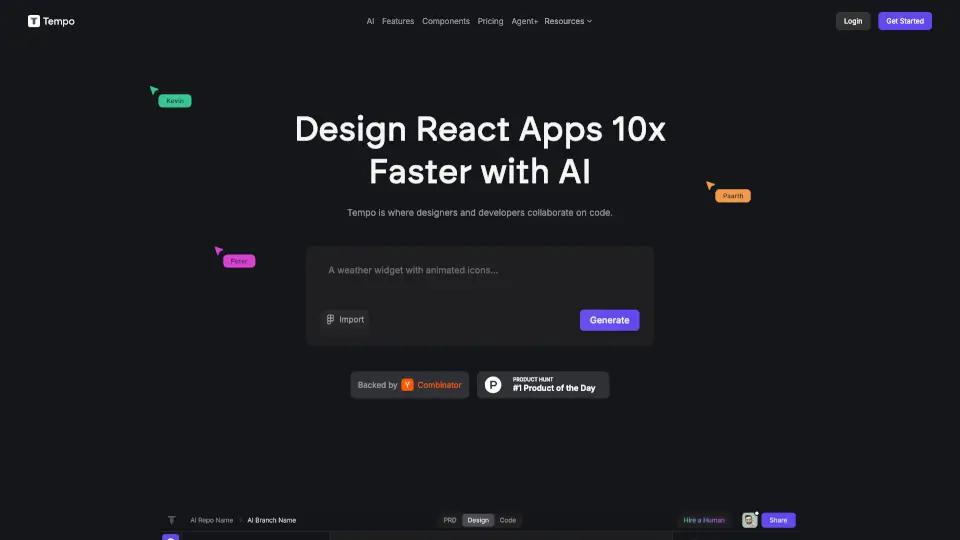

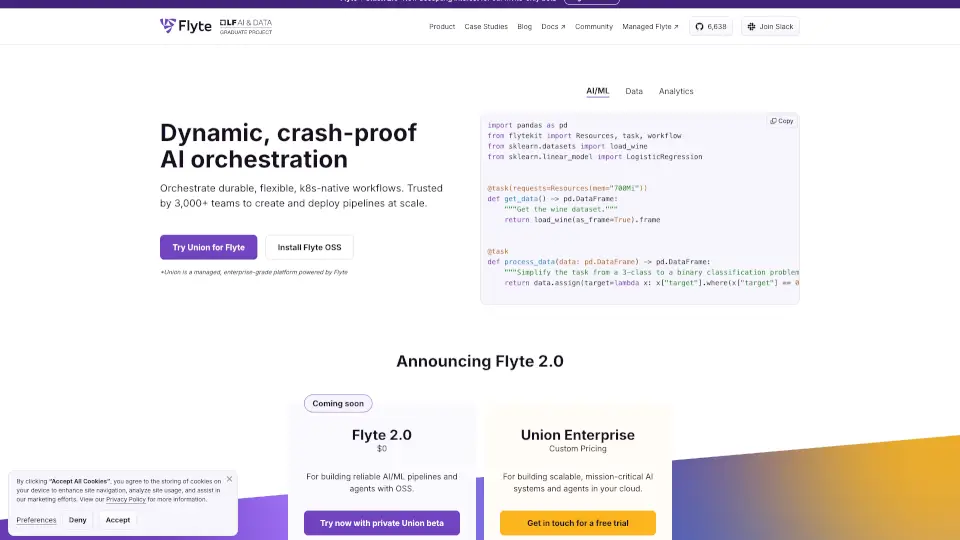
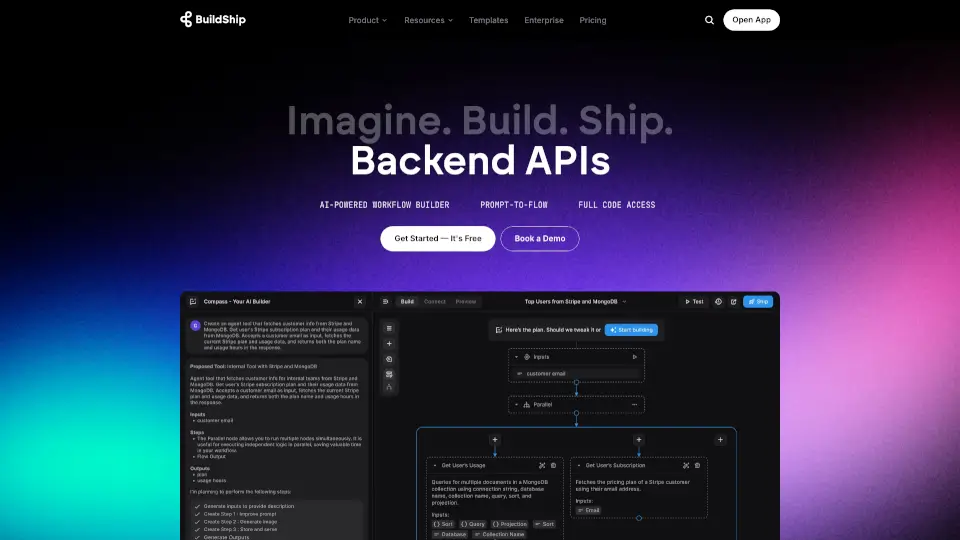


Top 8 Alternatives to Temporal Technologies
Sorted by Similarity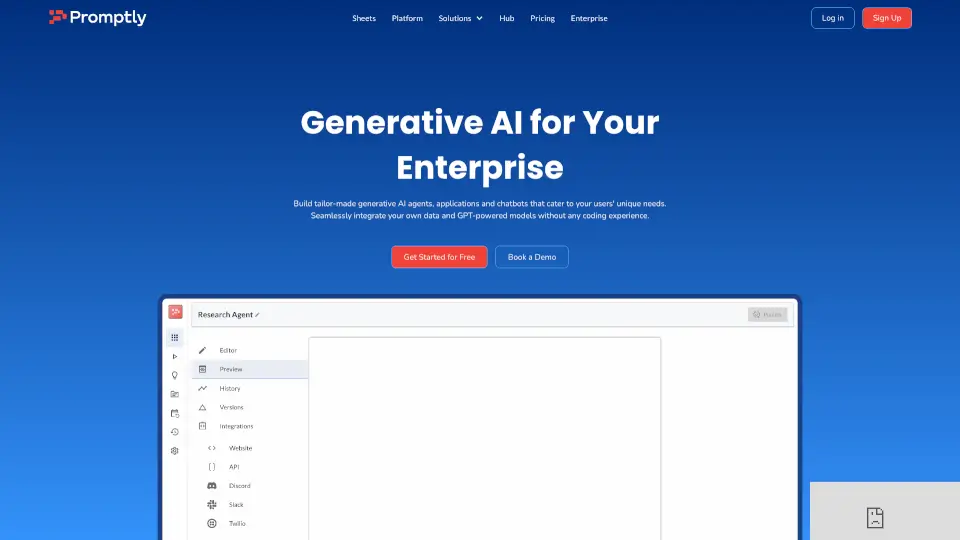



Frequently Asked Questions
How we find and rank alternatives to Temporal Technologies
Semantic AlgorithmPowered by SimilarWebNo Paid Placements
We generate a semantic embedding (vector) for every AI tool in our database. Alternatives are found by first narrowing candidates to tools in the same categories, then ranking by cosine similarity score. Only tools with a similarity score ≥ 0.52 make the cut — ensuring every recommendation is genuinely related, not just popular in the same broad category.
The full list (up to 20 tools) is ordered by semantic similarity — the most functionally similar tools appear first. "Quick Comparison" goes one step further: it takes the top candidates from that list and re-ranks them by monthly traffic, giving you a fast snapshot of the most widely-used options right now.
Quick Comparison has fewer slots and adds a traffic threshold on top of similarity. A tool can be highly similar to the one you are looking at but still have lower monthly traffic than other candidates — it stays in the full list where you can still discover and evaluate it.
Monthly visits, growth rates, and regional distribution data are sourced from SimilarWeb via our licensed API. SimilarWeb is the industry-standard web analytics service used by analysts, investors, and product teams worldwide. The data month is displayed at the bottom of the Quick Comparison table.
Similarity relationships are recalculated periodically as new tools are added to our database. Traffic metrics (visits, growth rate, top market) are refreshed monthly from SimilarWeb. The exact data month is always shown at the bottom of the Quick Comparison table so you know how fresh the numbers are.
No. The order of results is determined entirely by our similarity algorithm and third-party traffic data. We do not sell placement positions in alternative lists or Quick Comparison tables. If a tool is listed here, it earned its place through data — not through advertising spend.
Traffic data (visits, growth, top market) sourced from SimilarWeb licensed API · Similarity scores computed by our in-house vector engine