
Permit.io logo

Permit.io

5.0
(0 Reviews)
United States11.93%

Permit.io delivers real-time, fine-grained authorization for AI agents, humans, and services—securing every action across apps, APIs, and data.

Verified by SeekTool
Social Media:
Permit.io

Permit.io Product Information

What is Permit.io?

Permit.io is a modern authorization platform built specifically for the age of AI agents. Unlike traditional identity systems designed for human users, Permit.io gives you real-time, fine-grained control over what AI agents can do—every time they take an action, across every system they touch. This means no more risky standing permissions or static API keys that leave your data exposed.

As AI agents become more common in enterprise software, healthcare, fintech, and government systems, legacy IAM tools simply can’t keep up. Agents are dynamic, context-sensitive, and often unpredictable. Permit.io solves this by treating each agent action like a unique authorization event—verified at runtime based on identity, intent, context, and policy—so you stay secure without slowing innovation.

What are the features of Permit.io?

  • Agentic-Native Identity: Creates dynamic identities for AI agents by “interrogating” their intent via MCP; if a prompt injection changes behavior, access is automatically denied.
  • Action-Time Authorization: Enforces policies at the exact moment an action occurs—not just at login—ensuring least-privilege access for every request.
  • Unified Policy Fabric: Combines RBAC, ABAC, and ReBAC in one system, supporting policy-as-code, GitOps, and embedded approval workflows.
  • Defense in Depth Architecture: Secures the full chain—from agent prompts to database rows—with gateways, application-level PDPs, and data-layer enforcement.
  • Human-to-Agent Delegation: Lets users safely delegate access to AI agents within strict, policy-defined boundaries, including explicit consent flows.
  • Real-Time Audit & Tracing: Logs every authorization decision with full context, enabling end-to-end visibility from human to agent to data.
  • Hybrid Deployment: Offers sub-millisecond latency with in-VPC policy decision points (PDPs), available as managed or self-hosted.
  • Open & Integrable: Built on OPA and OPAL, works with your existing IdP, APIs, cloud infrastructure, and developer tooling.

What are the use cases of Permit.io?

  • Secure AI customer support agents that access sensitive user accounts without granting broad system permissions.
  • Enable healthcare AI assistants to query patient records while enforcing HIPAA-compliant row- and column-level access controls.
  • Allow fintech trading bots to execute transactions only within pre-approved risk limits and with real-time compliance checks.
  • Protect government systems where AI tools analyze classified data but must never exceed scoped, auditable permissions.
  • Give developers safe sandboxed access for AI code-generation agents that interact with production databases.
  • Implement zero-trust workflows for internal AI tools that chain multiple services (e.g., CRM → billing → analytics).

How to use Permit.io?

  • Start by placing the Permit.io gateway URL in front of your upstream MCP server to intercept and evaluate agent requests.
  • Define fine-grained policies using Permit’s policy engine—supporting RBAC, ABAC, or relationship-based rules—in code or via UI.
  • Integrate Permit’s SDKs or APIs into your applications and data layers to enforce decisions close to the workload.
  • Set up human consent flows so users explicitly approve what actions their delegated AI agents can perform.
  • Monitor and audit all decisions through centralized logs that trace every step from prompt to data access.
  • Deploy PDPs in your VPC for low-latency, high-scale authorization without sending traffic outside your network.
Do you like this tool?

Upvote to help others discover it!

Permit.io Alternatives

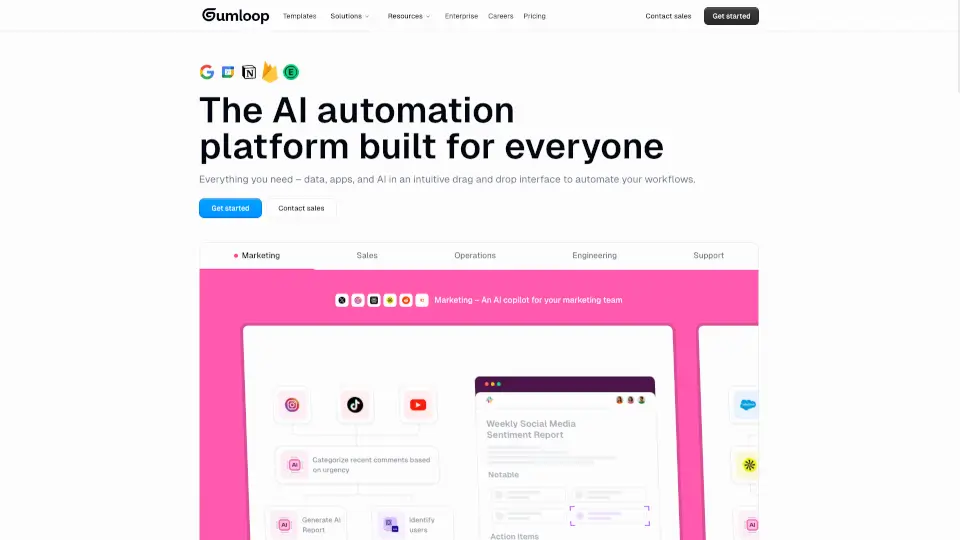
Gumloop

Gumloop empowers teams to build secure, collaborative AI agents that automate real work using any model and any tool—without sacrificing IT control.

US
23.97%
1.1M
5.0
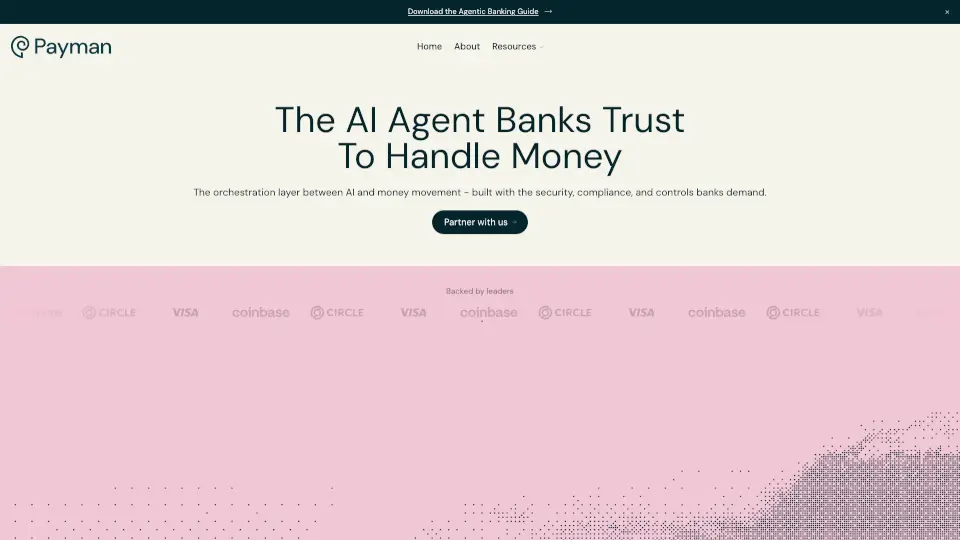
Payman

Payman AI provides secure, compliant financial infrastructure for AI Agents, ensuring safe and efficient money movement with built-in human oversight.

US
60.30%
5.9K
3.0
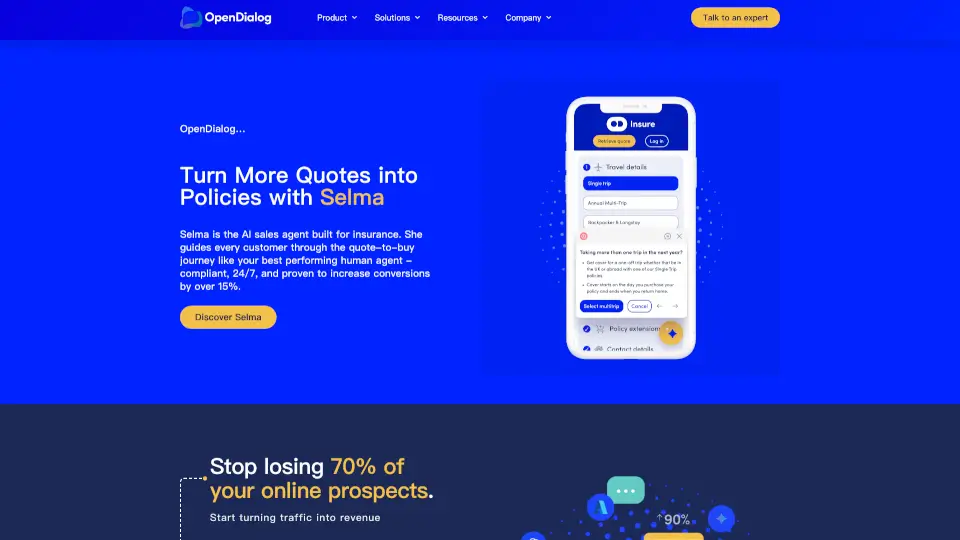
OpenDialog AI

Effortlessly build and manage AI agents with OpenDialog's safe and transparent platform.

US
37.89%
3.6K
3.0
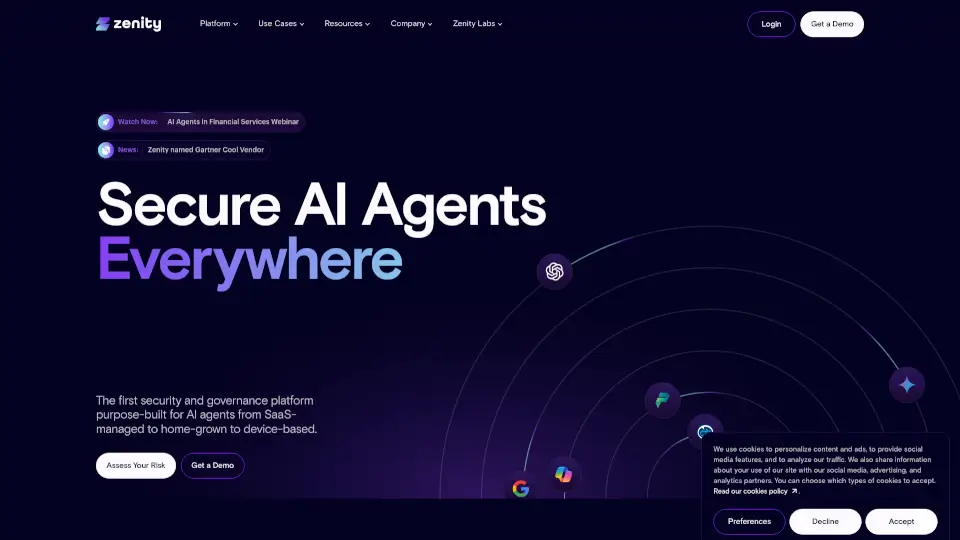
Zenity

Zenity is the go-to platform for securing AI Agents and low-code applications, offering adaptive security and governance from buildtime to runtime.

US
23.92%
61.5K
5.0
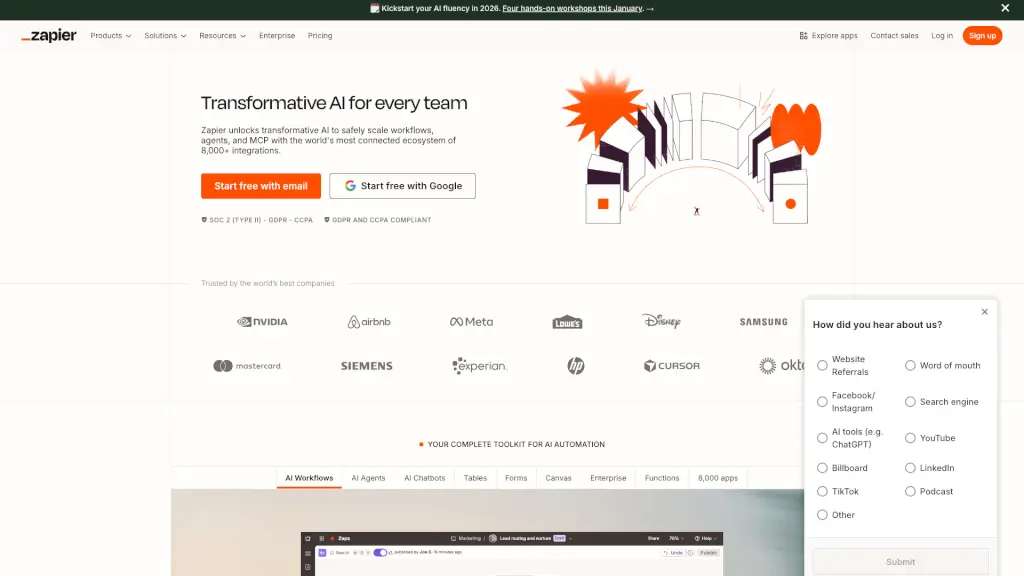
Zapier

Zapier is the most connected AI orchestration platform, enabling teams to automate workflows, build AI agents, and integrate 9,000+ apps securely and at scale.

US
35.97%
5.5M
5.0
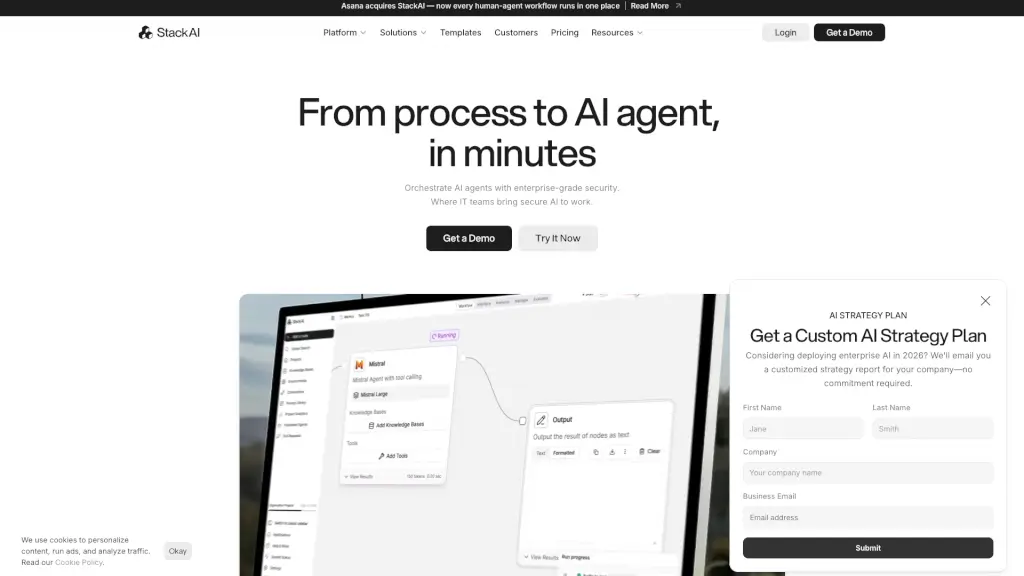
Stack AI

StackAI empowers enterprises to build secure, compliant AI agents that automate complex workflows across existing systems—fast, no code needed.

US
31.21%
147.9K
5.0
AgentMail

AgentMail gives AI agents real, programmable email inboxes to send, receive, and manage messages—enabling truly autonomous, email-capable AI workflows.

US
43.19%
211.4K
5.0
Maxim

Maxim AI is an all-in-one platform for testing, simulating, and monitoring AI agents. It speeds up development, ensures quality, and supports teams with no-code tools and enterprise-grade security.

IN
22.70%
108.9K
5.0

Permit.io Related Other Categories

Permit.io Traffic Analysis

💡 Insights

🌱
Emerging Tool
10K-100K monthly visits. Niche or new tool with potential unique value.
➡️
Stable
Traffic remains stable, indicating a mature product.
👍
Good Experience
Bounce rate of 40%. Users are willing to explore features.
🌐
Global Reach
Balanced user distribution worldwide.
  • Monthly Visits

    58.08K

  • Bounce Rate

    39.72%

  • Pages Per Visit

    1.69

  • Visit Duration

    00:00:15

  • Global Rank

    629358

  • Country Rank

    204877

Visits Over Time

Traffic Sources

SearchOrganic33.55%
DisplayAds25.88%
Direct23.38%
GenAi6.60%
Referrals4.95%
SocialOrganic3.55%
Mail2.08%
SearchPaid0.00%
SocialPaid0.00%
Affiliate0.00%

Top Keywords

1
permit io
1.36KTraffic
2
keycloak abac
200Traffic
3
platform independent framework for permissions with postgresql database
140Traffic
4
permit ai
130Traffic
5
react rbac
120Traffic

Top Regions

RegionPercentage
United States
United States
11.93%
Nigeria
Nigeria
7.29%
India
India
7.09%
Cambodia
Cambodia
5.13%
Vietnam
Vietnam
4.35%
Low
High

Powered by SimilarWeb

Permit.io FAQ

How is Permit.io different from traditional IAM systems?

Traditional IAM was built for human logins and static roles. Permit.io is designed for AI agents—enforcing real-time, action-level authorization based on dynamic intent, context, and relationships, not just who logged in.

Can Permit.io work with my existing identity provider?

Yes! Permit.io integrates with your current IdP for authentication but adds the missing layer: fine-grained, just-in-time authorization for AI agents, services, and human workflows.

What happens if an AI agent’s behavior changes due to a prompt injection?

Permit.io continuously verifies the agent’s intent fingerprint. If the action deviates from the original trusted intent (e.g., due to malicious prompting), access is automatically denied.

Is Permit.io compliant with regulations like HIPAA or GDPR?

Yes. Permit.io is SOC 2 Type II certified and supports HIPAA, GDPR, CCPA, and other major compliance frameworks out of the box.

Can I run Permit.io inside my own cloud environment?

Absolutely. It’s hybrid by design—you can use the managed cloud service or self-host PDPs in your VPC for full data control and ultra-low latency.

Does Permit.io support policy-as-code and GitOps?

Yes. You can manage policies via Terraform, CLI, or Git, making it easy to version, review, and deploy authorization rules like any other code.

Permit.io Reviews

0

0

0 Reviews
Sign Into leave a review

Recent Reviews

No reviews yet

Permit.io Embed

Use website badges to drive community support for SeekTool.ai. They are easy to embed in your homepage or footer.

Light
Dark
Permit.io - Featured on SeekTool.aiPermit.io - Featured on SeekTool.ai
How to install?